Fortnite > Avenged Sevenfold’s M. Shadows fala sobre NFTs e criptomoedas em jogos
Avenged Sevenfold’s M. Shadows fala sobre NFTs e criptomoedas em jogos
Avenged Sevenfold’s M. Shadows Talks NFTs and Crypto in Gaming
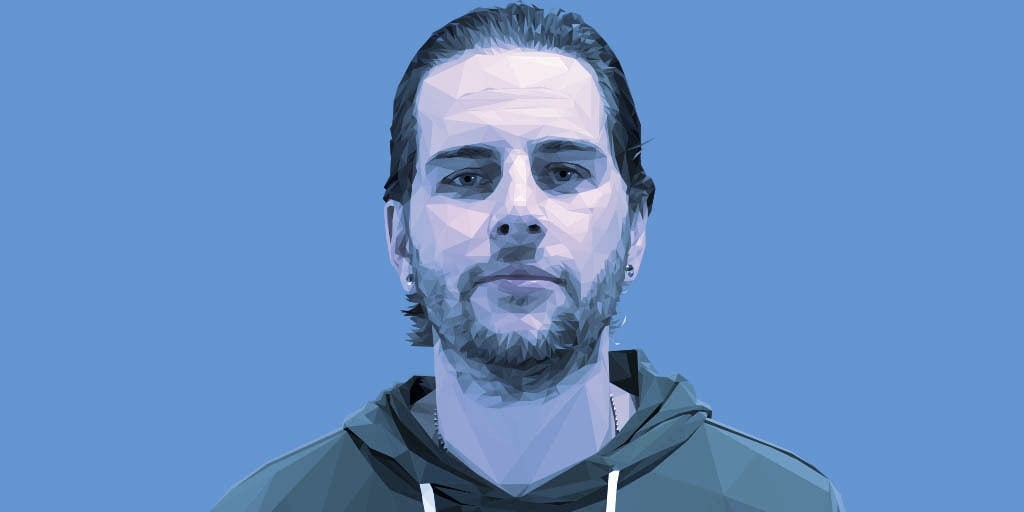
Meet Matt Sanders (also known as M. Shadows), the lead vocalist of heavy metal band Avenged Sevenfold. But he’s much more than just a famous rocker: he’s also a gamer, a CryptoPunk, and one of the masterminds behind the band’s 2014 dungeon RPG PC game called Hail to the King: Deathbat. In the latest episode of Decrypt’s podcast, Sanders shared his perspective on video games that utilize encryption and NFTs, taking a firm stance against the so-called “experts” who speak out against Web3 technology.
Early Crypto Adopter
Sanders was relatively early to crypto and said he bought Bitcoin, Ethereum, and Litecoin around 2016. But he was also early to NFTs and fell in love with the initial CryptoPunks community. “This was a very sophisticated and forward-thinking group of people,” he said about the CryptoPunks Discord server. “Honestly, I learned a lot from them. And I became friends with many of them in real life.”
Games and Crypto: A Natural Fit
Sanders immersed himself in crypto and gaming and sees the two as a natural fit. Like many NFT advocates, he’s not content to pay a lot of money for digital items in the walled garden ecosystems of traditional online video games.
“It’s crazy that we pay the money we pay for skins,” he said about cosmetic items in non-crypto games like battle royale shooter Fortnite.
In Counter-Strike: Global Offensive (CS:GO), cosmetic weapon skins can be sold for hundreds of dollars to six-figure sums on the secondary market-but they only work in CS:GO. And in many games, like Fortnite, those purchased items can only be resold on so-called “grey markets” that may violate the game publisher’s terms of service.
Like many players who are open to the possibilities of NFTs and cryptocurrencies in video games, Sanders believes that making these high-value items easily sellable and transferable raises the stakes of games to the next level. He raised the possibility that some may try to exploit these economies but predicts that technological solutions will be developed.
“It can be scary and cool,” he said about a possible high-stakes blockchain game, “or it can just be what our kids are doing.” He echoed a sentiment shared by top players in the crypto gaming industry, such as Gala Games, Solana, and Magic Eden: the next generation of tokenized games really needs to be fun, and no amount of crypto rewards or incentives can make a bad game good.
Good Content and Utility First
Sanders is not the biggest fan of crypto jargon like “Web3 games” and argued that such terms can create confusion and branding issues. Instead, the singer wants to see content and utility brought to the forefront. Still, he didn’t mince words when asked about the broader backlash against NFTs in gaming.
“There’s a backlash everywhere,” he said, adding that the mainstream media has skewered all cryptocurrencies with “experts” who don’t really understand the technology.
“Humans tell stories, things based on narratives, right? They need a story, they need to have a narrative, they rally behind things, and they’re very tribal,” Sanders argued. “What’s happening now is that everything is working against that narrative of ‘This can help you.’ And then it’s become so strong that there will have to be some really good use cases.”
Stay up to date on cryptocurrency news, get daily updates in your inbox.
Source: Decrypt.
Lectures :21
Potrebbero interessarti anche questi articoli:
.
Avenged Sevenfold inaugura um museu Fortnite para…
Avenged Sevenfold lança museu digital em Fortnite…